Roanoke, Virginia · Project planning
Sunken Paver Patio Repair in Roanoke, VA
A dip in a paver patio does not automatically mean the whole patio needs replacing. Will the proposed work correct the reason for the low area, or only reset its surface?
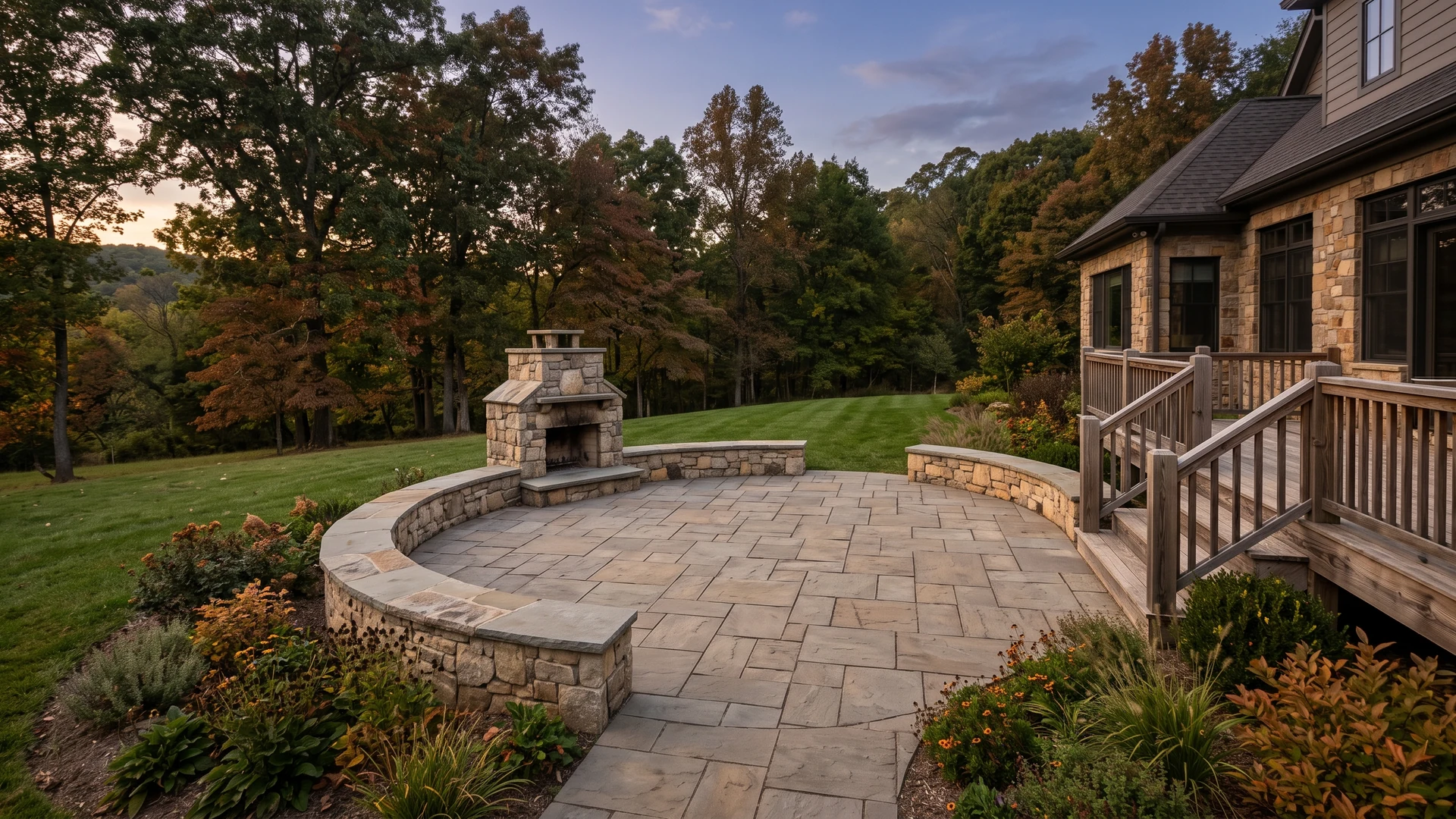
Published by Roanoke Hardscape Project Guide ·
A dip in a paver patio does not automatically mean the whole patio needs replacing. The useful question is why that section moved—and whether the surrounding paving is still doing its job. For a Roanoke project, separate a surface repair from a change to the patio's footprint before asking for a proposal.
Will the proposed work correct the reason for the low area, or only reset its surface?
Start with the pattern, not the patch
Photograph the low area when it is dry and again after rain. Is the dip beside a downspout, along the outer edge, or in the middle of the patio? Does water remain against the house? A few uneven units and a broad area of continuing settlement are different problems. Loose joint material alone does not establish that the base has failed, and a photo cannot confirm the cause.
What a repair proposal should explain
Ask which units will be lifted, what will be checked underneath, and how the repaired section will meet the surrounding surface. If drainage is part of the problem, the proposal should explain the water route, not just promise a level finish. Also ask whether existing pavers can be reused and how broken or unavailable units will be handled.
Keep repair and expansion separate
Restoring an existing patio and adding a dining area are different scopes. Compare them separately so an attractive extension does not hide unresolved settlement. If the work changes the footprint, check the applicable City or County process; a Roanoke mailing address is not enough to identify the governing office.
Read the settlement pattern
For example, a patio may look sound except where a downspout discharges beside it. A useful assessment would consider both that water route and the paving underneath—not assume new joint sand will solve everything.
The example describes a way to document symptoms; only an on-site assessment can identify the cause.
Build a useful Roanoke repair record
- Wide photographs of the whole work area, the route to the house and construction access.
- Approximate dimensions, the features you want to retain and the changes that matter most.
- Photos after rain, plus notes on when any movement, puddling or damage first appeared.
- A clear list of first-stage requirements and optional later work.
Ask for a written scope that separates preparation, installation, disposal, drainage and restoration. Identify selections that remain open and how a change is approved. A lower total is only a useful comparison when you understand the work included.
Choose the repair boundary
Start with the Paver Patio Installation in Roanoke, VA: Costs & Planning guide, then prepare a project request. This is an independent request service, not a local contractor or office. A potential provider is identified before you approve sharing your details.
Use the printable project worksheet to organize the conversation. Requirements depend on the actual scope and parcel, not the town written in a mailing address.
Read the shape of settlement before lifting pavers
A low spot near a Roanoke downspout points to a different investigation than a broad dip in the middle of a patio. Mark the outline with chalk after the surface dries, then photograph it from the house and from the yard. Look for a loose edge restraint, missing joint material, a downspout outlet, disturbed soil from an older utility trench, or a retaining edge below the patio. Those observations do not diagnose the base, but they help a provider decide how much paving may need to be lifted before the first visit.
After a hard rain, record whether water stays on the pavers, crosses the lawn, or disappears at an edge. In Roanoke's rolling terrain, the downhill edge is part of the repair even when the visible depression is several feet away. Releveling only the deepest units can leave the water path unchanged.
Define what a durable reset includes
A useful scope states the approximate area to be lifted, how bedding and base deficiencies will be corrected, whether damaged units will be replaced, and how the repaired field will meet steps, walls and doors. It should also address edge restraint, joint refill, compaction and disposal. Ask how the crew will protect the house and existing landscape while moving material through a city lot. If matching pavers are unavailable, decide in writing whether sound units will be harvested from a less visible area or whether a deliberate border will make the change look intentional.
Cleaning and sealing are separate decisions. Neither restores support beneath rocking units. If the patio is stable after resetting, use the paver manufacturer's instructions for cleaners, joint products and sealers rather than assuming every concrete paving product accepts the same treatment.
Connect the repair to the rest of the site
Check the Roanoke patio service guide for base and layout questions, and use the permeable-paver and stormwater guide if runoff or a larger replacement is under discussion. A patio held by a wall also belongs in the retaining-wall planning conversation. Return to the Roanoke home page when you are ready to describe the whole project rather than one symptom.
- Measure the low area and the full patio, not just one sunken unit.
- Photograph the surface dry and during or just after rain.
- List buried utilities, downspouts, drains, walls and recent excavation nearby.
- Ask for exclusions and restoration limits in the written repair scope.
Related local reading
- Permeable Pavers and Roanoke's Stormwater Fee
- City of Roanoke Permits for Patios, Walls and Fire Pits
- Pavers, Natural Stone or Concrete in Roanoke, VA?
- What Affects Hardscape Cost in Roanoke, VA?
Sources and further checks
Before excavation, review Virginia 811 homeowner guidance, including its explanation of private lines. Local approval details remain in the linked jurisdiction guides; confirm them with the responsible office for your property.
Prepare a project request
Bring your photos, rough dimensions and priorities. Explain what you want to change and where the property is located.
Prepare a project request Call (540) 491-9963